
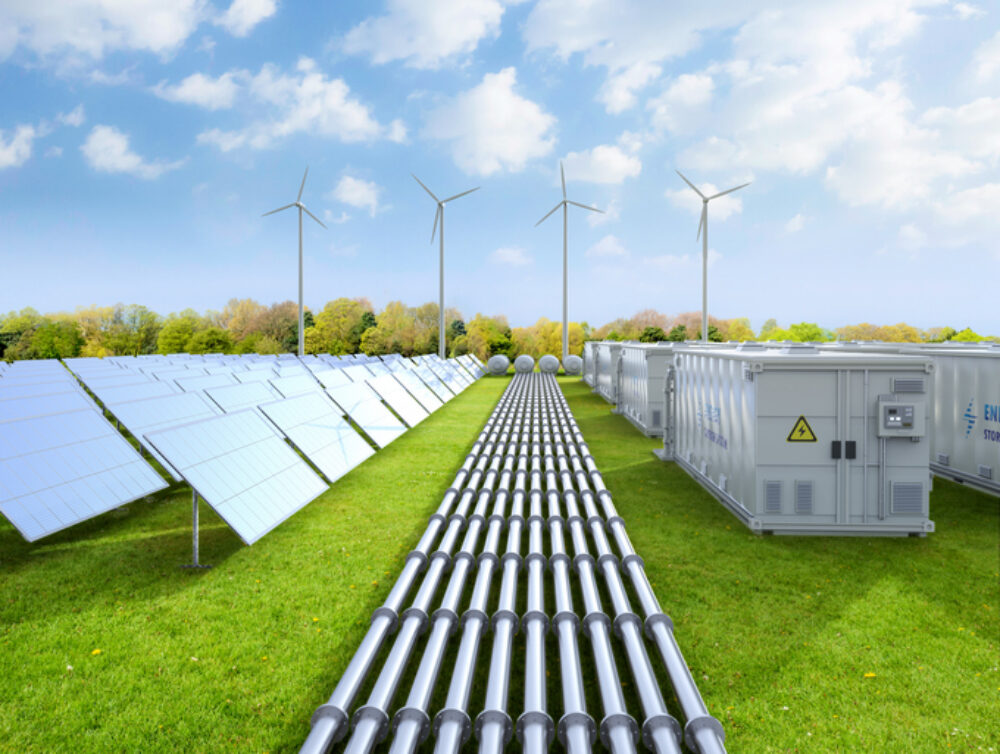
Renewable Grid Connections: Accelerating Solar, BESS, Wind and Hydrogen Projects
Demand for renewable grid connections is rising, but limited capacity and complex delivery models are slowing progress.
The deployment of solar, Battery Energy Storage Systems (BESS), wind and hydrogen projects is accelerating as the UK moves towards decarbonisation and greater energy security.
However, while generation and storage technologies continue to scale, grid connection remains one of the most significant constraints to delivery.
The Challenge
Securing and delivering a grid connection for utility-scale renewable and storage developments is increasingly complex.
Developers are navigating constrained network capacity – particularly at 33kV and 132kV – alongside extended lead times driven by reinforcement works, regulatory processes and supply chain pressure. At Extra High Voltage (EHV), additional design approvals, protection studies and compliance requirements add further layers of technical scrutiny.
Alongside engineering challenges sit commercial pressures:
- Significant upfront capital investment ahead of Final Investment Decision (FID)
- Multiple stakeholders including DNOs, ICPs, IDNOs, landowners and planning authorities
- Programme uncertainty driven by interfaces between delivery parties
- Planning considerations add further complexity. Cable routes, substation locations and overall connection strategy can materially influence both cost and timelines, particularly where land rights or environmental sensitivities are involved.
With Ofgem’s connections reform programme introducing milestone-based queue management and a move towards a “first ready, first connected” model, developers must now demonstrate delivery readiness earlier in the process.
In this environment, certainty on route, cost and programme is as critical as generation technology itself.
A More Integrated Approach to Grid Connections
Traditional connection delivery models often separate design, construction and asset adoption across multiple organisations. Each interface introduces potential delay, duplication and reduced accountability.
An integrated Independent Connection Provider (ICP) and Independent Distribution Network Operator (IDNO) model provides a more aligned approach.
By designing, building, investing in and adopting the infrastructure within one group, projects benefit from:
- A single point of contact
- Clear accountability across all stages
- Better coordination between design, build and energisation
- Reduced delays between delivery phases
This creates greater control from early feasibility through to energisation and reduces overall delivery risk.
How This Supports Delivery
Early-stage decisions often determine the commercial viability of renewable and storage projects. An integrated delivery model supports developers throughout:
Route Feasibility
Early assessment of cable routes helps identify constraints and inform reliable, cost-effective connection strategies.
Early Design Engagement
Support with 33kV and 132kV designs assists planning submissions, improves cost certainty and reduces buildability risk.
Accelerated Delivery
Aligned design, build and adoption processes streamline approvals and help shorten energisation timelines.
Financial Investment
Where infrastructure is adopted by an in-group IDNO, asset investment and tailored payment structures can significantly reduce upfront capex and support projects through FID and into construction.
Optimised Connection Strategy
Carefully selected connection points and considered engineering design can unlock commercial value, particularly in constrained network areas.
Why This Approach Works
For developers of solar, BESS, wind and hydrogen projects, grid strategy is central to investor confidence and overall project viability.
An integrated ICP-IDNO approach can provide:
- Greater certainty on route, cost and programme
- Shorter energisation timelines
- Fewer stakeholder interfaces
- Reduced upfront capital expenditure through asset adoption
- Safe, compliant and future-proofed infrastructure aligned to long-term operational demands
In a market where delays to connection directly affect revenue timelines and funding structures, delivery certainty becomes a competitive advantage.
Start the Conversation
If you are assessing grid connection strategy for a renewable or storage project, early engagement can significantly improve outcomes – from feasibility and planning through to energisation.
About Power On
Power On is a leading Independent Connection Provider (ICP) delivering turn-key renewable and utility infrastructure solutions across the UK. NERS accredited up to and including 132kV, we provide design, build and adoption services for Extra High Voltage (EHV) grid connections, electricity infrastructure and private wire networks.
As an ICP with an in-group Independent Distribution Network Operator (IDNO), we design, construct, invest in and adopt the infrastructure we deliver – significantly reducing development capex and simplifying project management through a single delivery structure.
Structured to support stable, long-duration infrastructure delivery, we bring financial strength and proven expertise to every project.
Further news at Power On...
- News

Prefab community heat hubs offer time - and cost-effective solution for high rise developments
We're proud to be delivering a pioneering prefabricated Community Heat Hub and communal heat network at The Green Quarter in Southall. The project will provide low-carbon heating to 2,538 homes, demonstrating how modern energy infrastructure can accelerate delivery and support the transition to more sustainable communities.
- News
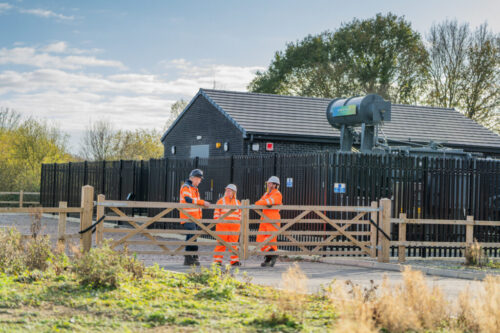
Why utilities fragmentation is holding back housing delivery
Utilities may account for only a small proportion of development costs, but their impact on programme delivery is significant. Discover why integrated multi-utilities delivery is helping developers reduce risk, improve efficiency and protect project outcomes.
- News
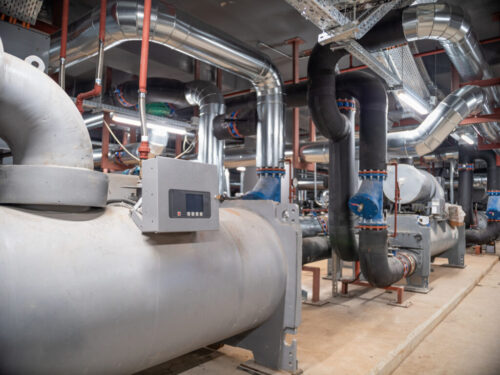
Digitalisation and Low-Carbon Housing: What Developers Need to Know
Neil Fitzsimons, Managing Director of Power On, explores how digitalisation is reshaping the UK's residential sector. From Networked Ground Source Heat Pumps to Community Heat Hubs and smart controls, this article sets out how developers, M&E consultants, and utility specialists can design, build, and operate genuinely future-ready low-carbon homes.