

How High-Rise Developers Can Unlock Ofwat’s Environmental Incentives
Ofwat’s new Environmental Incentives Common Framework (EICF) is opening up valuable opportunities for high-rise developers—but understanding and applying the framework can be challenging.
What Is the EICF?
Introduced in April 2025, Ofwat’s Environmental Incentives Common Framework (EICF) is a national framework requiring water companies to offer financial incentives to developers who deliver housing that goes beyond baseline environmental performance, particularly in water efficiency and surface water management.
The scheme focuses on:
- Reducing per capita water consumption
- Incorporating Sustainable Drainage Systems (SuDS)
- Delivering measurable environmental performance above statutory minimums
- These measures are designed to encourage more sustainable, water-efficient housing across England.
Why It Matters for High-Rise Developers
High-rise developments come with unique challenges. Space is limited, infrastructure design is complex, and projects are often under pressure from tight deadlines and strict budgets.
In this environment, it’s easy to overlook the potential benefits of Ofwat’s environmental incentives—but they can make a real difference.
These incentives can help developers:
- Reduce operational costs by using water-saving technologies
- Improve ESG performance, which is key for attracting institutional investors
- Align with the Future Homes Standard and broader Net Zero targets
- Enhance public perception, meeting growing expectations around sustainability.
By planning ahead, high-rise developers can turn regulatory requirements into strategic advantages.
Bridging the Knowledge Gap
As specialists in multi-utility infrastructure for high-rise and complex developments, Power On is well placed to help developers make the most of the EICF.
We provide:
- Early-stage planning support – integrating water-saving technologies and Sustainable Drainage Systems (SuDS) into project designs from the outset
- One-to-one consultations, workshops, and briefing sessions – helping development teams understand the EICF and build it into their decision-making, not bolt it on later
- Regulatory engagement – liaising directly with local water companies on your behalf to ensure incentive applications are fully aligned and correctly submitted
- A coordinated approach – embedding water efficiency within your broader utility infrastructure, including electricity, low-carbon heat, fibre, and more
By incorporating environmental incentives from the ground up, we help developers qualify for rebates and deliver projects that are future-ready, compliant, and financially optimised.
A Smarter Approach to Sustainable Growth
The EICF reflects a growing expectation that all new developments, especially large-scale, high-density projects, pull their weight in tackling environmental pressures. With the right support, these incentives are not just achievable, but valuable. Power On is committed to helping developers design smarter, build greener, and gain more from every connection. For more information contact our team on 03453 223322, or complete an enquiry form here.
Further news at Power On...
- News
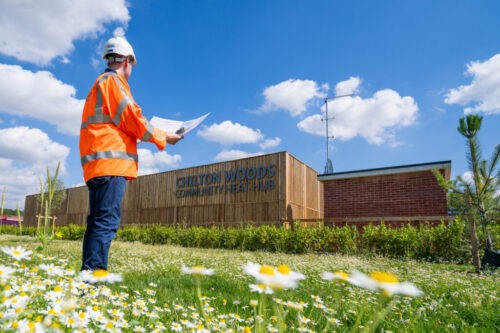
Prefab community heat hubs offer time - and cost-effective solution for high rise developments
We're proud to be delivering a pioneering prefabricated Community Heat Hub and communal heat network at The Green Quarter in Southall. The project will provide low-carbon heating to 2,538 homes, demonstrating how modern energy infrastructure can accelerate delivery and support the transition to more sustainable communities.
- News
Why utilities fragmentation is holding back housing delivery
Utilities may account for only a small proportion of development costs, but their impact on programme delivery is significant. Discover why integrated multi-utilities delivery is helping developers reduce risk, improve efficiency and protect project outcomes.
- News
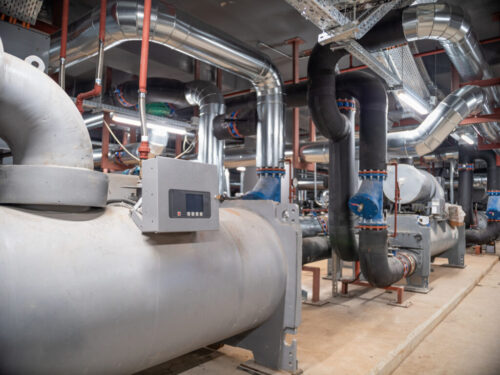
Digitalisation and Low-Carbon Housing: What Developers Need to Know
Neil Fitzsimons, Managing Director of Power On, explores how digitalisation is reshaping the UK's residential sector. From Networked Ground Source Heat Pumps to Community Heat Hubs and smart controls, this article sets out how developers, M&E consultants, and utility specialists can design, build, and operate genuinely future-ready low-carbon homes.